

 Facebook
 X
X
 Pinterest
 Copy Link
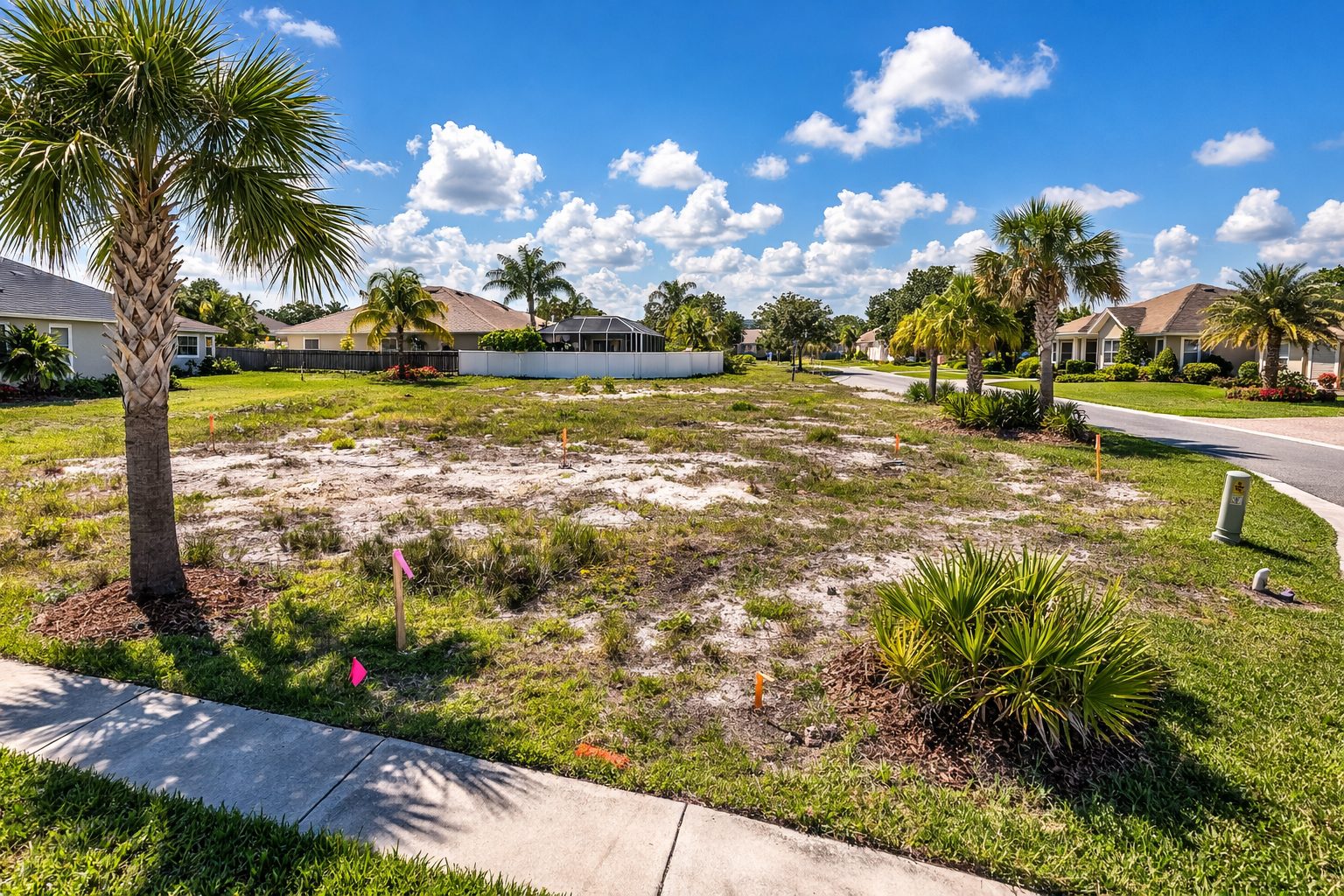
Vacant Land Inspection in Florida: A Simple Guide for Buyers
Buying vacant land in Florida may seem easy. However, you should still inspect the property before you buy it. Unlike a home inspection, land inspections focus on the condition of the land and whether you can build on it. By taking a few important steps early, you can avoid problems and unexpected costs later.
1. Check the Property Lines with a Survey
First, start with a boundary survey. A licensed surveyor measures the land and shows the exact property lines. The survey also identifies easements, fences, or structures that may cross onto the property.
In other words, the survey helps you clearly understand what land you actually own before completing the purchase.
2. Confirm Zoning and Land Use
Next, check the zoning rules with the city or county planning office. Zoning rules explain what you can legally do with the land.
For example, zoning may allow:
- A single-family home
- Agricultural use
- Commercial use
In addition, zoning rules may limit building height, distance from property lines, and minimum lot sizes.
3. Look for Wetlands and Flood Zones
Another important step is checking for wetlands or flood zones. Florida has many wetlands that protect wildlife and natural water systems. Because of this, wetlands can affect where you are allowed to build.
Before you buy land, check:
- Whether wetlands exist on the property
- If the land sits in a flood zone
If these conditions exist, you may need permits before construction begins.
4. Test the Soil for Septic
If the property does not connect to city sewer, you will likely need a septic system. For this reason, many buyers order a soil or perc test.
This test checks how well the ground drains water. As a result, you can determine whether the land can support a septic system or if additional work will be required.
5. Check Utilities and Road Access
At the same time, confirm the availability of utilities. Vacant land does not always have nearby connections.
Before purchasing, check for access to:
- Electricity
- Water
- Sewer or septic options
- Internet service
Equally important, confirm that the property has legal road access, which ensures you can reach your land without future disputes.
6. Review the Title and Restrictions
Finally, review the title and any restrictions connected to the property. A title search can reveal liens, easements, or homeowner association rules.
Sometimes, communities may limit home size, design, or how the land can be used. Knowing this information ahead of time helps you plan your future home more confidently.
Why Vacant Land Inspections Matter
Overall, vacant land may look simple, but several factors affect whether you can build on it. By reviewing surveys, zoning, soil conditions, and utilities, buyers gain a much clearer picture of the property.
Ultimately, working with experienced professionals—such as a real estate agent, surveyor, and title company—helps make the process smoother and protects your investment.
